
23
Dec
Reasons Why Flossing Should Be Part of Your Daily Routine
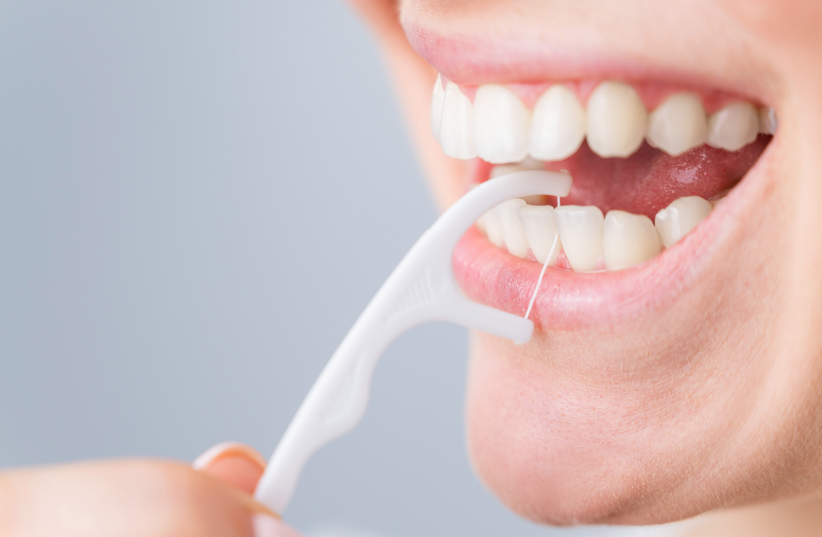
If flossing has slowly disappeared from your daily routine, you’re not alone. Many people brush twice a day but overlook flossing, often because it feels inconvenient or unnecessary. However, flossing plays a critical role in maintaining oral health and protecting your teeth and gums from problems that brushing alone cannot prevent.
Flossing Reaches Where Brushing Can’t
Your toothbrush is excellent at cleaning the surfaces of your teeth, but it can’t effectively reach the tight spaces between them. Plaque and food particles easily get trapped between teeth and along the gumline, where bacteria thrive.
Flossing removes debris from these hard-to-reach areas, helping to reduce plaque buildup and lower your risk of cavities and gum disease. Without flossing, nearly a third of your tooth surfaces remain uncleaned.
Preventing Gum Disease
Gum disease often begins silently, with mild inflammation and bleeding that may seem easy to ignore. When plaque isn’t removed from between the teeth, it can harden into tartar and irritate the gums, leading to gingivitis and, eventually, more advanced periodontal disease.
Daily flossing helps keep gums healthy by removing plaque before it causes inflammation. Healthy gums are essential not only for keeping your teeth in place but also for supporting overall oral health.
Reducing the Risk of Cavities
Cavities don’t just form on the chewing surfaces of teeth. They frequently develop between teeth, where bacteria and acids have prolonged contact with enamel. Flossing disrupts this bacterial buildup and reduces the likelihood of decay in these vulnerable areas.
By flossing consistently, you help strengthen your at-home dental care routine and reduce the need for more extensive treatments down the road.
Improving Breath and Oral Cleanliness
Persistent bad breath can often be traced back to trapped food particles and plaque between teeth. When bacteria break down leftover debris, they release unpleasant odors that brushing alone may not eliminate.
Flossing helps remove the source of bad breath, leaving your mouth feeling fresher and cleaner. Over time, this simple habit can make a noticeable difference in how confident you feel about your smile.
Making Flossing Easier to Maintain
If traditional floss feels difficult to use, alternatives such as floss picks or water flossers can make the process more manageable. The most important thing is consistency, not the specific tool you use.
Building flossing into your daily routine, such as flossing before brushing each night, can help turn it into a lasting habit rather than an afterthought.
Flossing is a small daily commitment that plays a big role in protecting your long-term oral health.
About the Practice
Taylor Dental Care provides comprehensive preventive dental care designed to help patients maintain healthy teeth and gums at every stage of life. Dr. Michelle Taylor and Dr. Glenn Taylor prioritize education, routine cleanings, and personalized at-home care strategies to prevent oral health issues before they start. If you’re a patient in the Sandy community, come see us to get your oral health on the right track.
Call us at (801) 210-0950 or request an appointment online.